Common Causes of Damage in Brick and Stone Flatwork
To address common causes of damage in brick and stone flatwork, local contractors can assess issues like settling, moisture, and temperature changes to provide effective repair solutions.
Property owners exploring common causes of damage in brick and stone flatwork are taking an important step toward preserving the integrity and appearance of their outdoor spaces. Whether for a residential patio, walkway, or commercial plaza, understanding what can lead to deterioration helps in making informed decisions about repairs and maintenance. Local contractors specializing in flatwork damage repair are equipped to assess these issues and recommend practical solutions, ensuring that damage caused by environmental factors, settling, or improper installation doesn’t worsen over time.
Many property owners find it valuable to learn about how factors like freeze-thaw cycles, moisture intrusion, and heavy loads can impact brick and stone flatwork. Recognizing these common causes can help prevent costly repairs down the line and maintain the safety and beauty of outdoor surfaces. Service providers in the area are ready to assist with repairs that address these issues, restoring flatwork to its best condition and extending its lifespan. Keep reading to discover more about how these causes develop and how local experts can help keep flatwork durable and attractive.
- Brick and stone flatwork damaged by freeze-thaw cycles may require repair services, as local contractors can assess and restore the integrity of the surface.
- Cracks and spalling caused by settling or improper installation often lead homeowners to seek repair, with service providers addressing these issues through targeted restoration.
- Surface staining or efflorescence can indicate underlying moisture problems, prompting local pros to perform repairs that prevent further damage.
- Damage from plant roots or vegetation can lift or crack flatwork, and local contractors specialize in removing invasive growth and restoring the surface.
- Impact damage from heavy loads or accidents may cause chips or breaks, with service providers repairing and reinforcing affected areas to extend the lifespan of the flatwork.
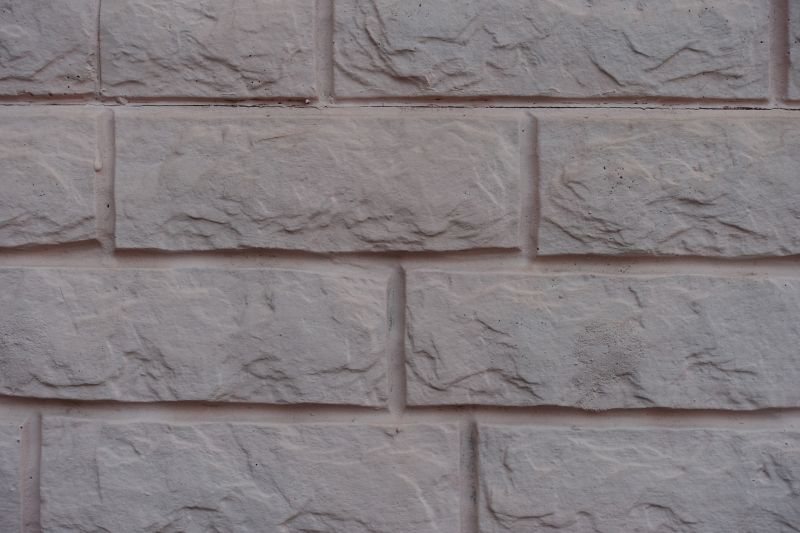
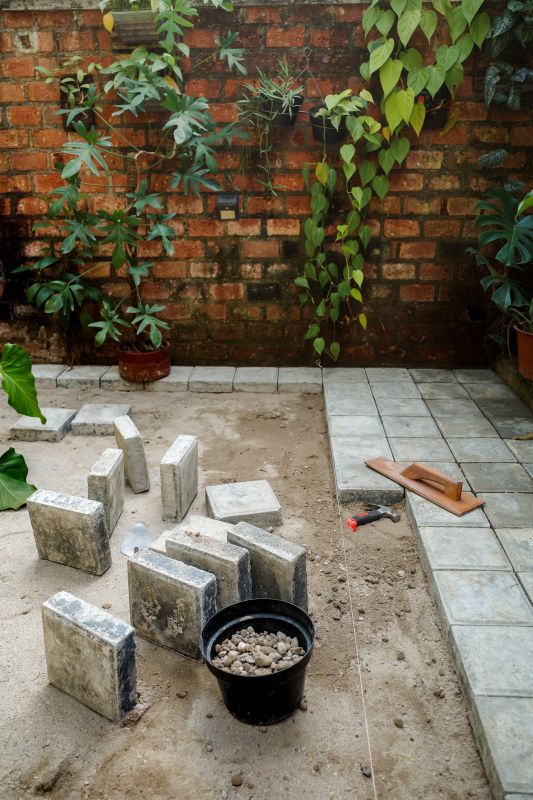
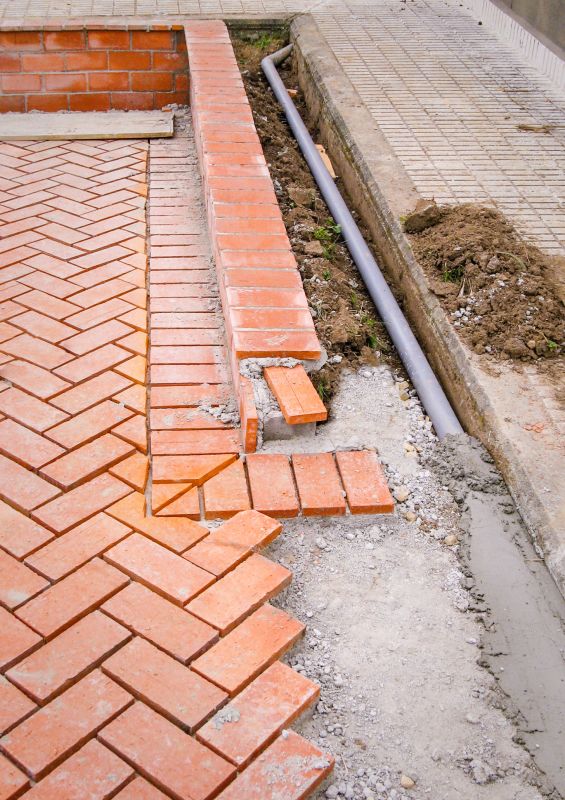
Understanding common causes of damage in brick and stone flatwork is essential for homeowners looking to maintain the integrity and appearance of their outdoor surfaces. When searching for this topic, people often want to identify why their paved areas, such as patios, walkways, or driveways, are showing signs of deterioration. Damage can stem from a variety of factors that compromise the durability of brick and stone installations, making it important to recognize these issues early. Homeowners typically relate this subject to plans for repairs, replacements, or preventative measures to extend the lifespan of their flatwork and avoid costly repairs down the line.
Many problems associated with damage in brick and stone flatwork are caused by environmental conditions and improper installation. Freeze-thaw cycles, for example, are a common culprit, especially in climates with cold winters. Water seeps into cracks and porous materials, then freezes and expands, causing the material to crack or spall over time. Additionally, poor drainage can lead to water pooling around the flatwork, accelerating deterioration. Excess moisture can weaken the mortar joints and stone or brick units, making them more susceptible to shifting or breaking. Local contractors experienced in flatwork repair understand these issues and can assess how environmental factors contribute to damage in specific properties.
Another frequent cause of damage involves physical impacts or heavy loads that exceed the capacity of the flatwork. Driveways and walkways subjected to frequent or heavy vehicle traffic, such as trucks or RVs, often experience cracking or sinking. Similarly, heavy furniture, equipment, or even foot traffic can cause surface wear and structural stress, especially if the base layer beneath the flatwork is inadequate. Over time, these stresses can lead to uneven surfaces, cracks, or loose bricks and stones. Homeowners with properties that experience high traffic or heavy use may find that local flatwork repair specialists can help reinforce or restore their surfaces to withstand future pressures.
Lastly, improper installation techniques or aging materials can contribute significantly to damage in brick and stone flatwork. When base layers are not properly prepared or materials are not suitable for the specific climate and conditions, flatwork can develop issues prematurely. Over time, natural aging and exposure to the elements can cause mortar joints to deteriorate or stones to become loose. Settling or ground movement can also shift the flatwork, creating uneven surfaces and cracks. Property owners noticing early signs of wear or damage should consider consulting local contractors who specialize in flatwork repair, as they can identify underlying causes and recommend appropriate solutions to restore and preserve the surface’s integrity.
Paving restoration projects - local contractors experienced in paving repairs often handle issues related to surface damage caused by weather, settling, or improper installation, similar to common causes of damage in brick and stone flatwork.
Concrete repair services - these projects require skills in addressing cracking, spalling, and shifting, which are also prevalent in damaged brick and stone flatwork due to similar stressors.
Patio and walkway restoration - local service providers working on outdoor flat surfaces often deal with problems like uneven settling and surface deterioration, paralleling common causes of damage in brick and stone flatwork.
Masonry repair and restoration - professionals in this area frequently fix issues related to mortar deterioration and structural shifting, which are common in damaged brick and stone flatwork.
Drainage and grading projects - these involve planning and adjustments to prevent water-related damage, a key factor in the common causes of damage in brick and stone flatwork.
Landscape and hardscape installation - experts in creating durable outdoor surfaces understand how proper planning and material choice can prevent damage similar to issues seen in brick and stone flatwork.
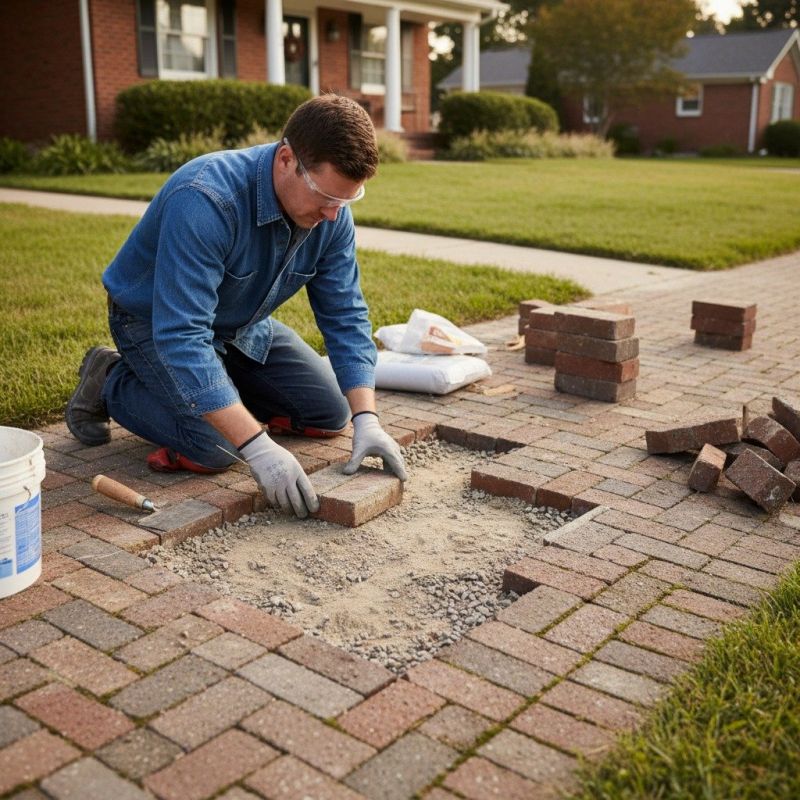
When evaluating service providers for brick and stone flatwork damage repair, it is essential to consider their experience with similar projects. Homeowners should seek out local contractors who have a proven track record of addressing common causes of damage in brick and stone flatwork, such as settling, freeze-thaw cycles, or improper installation. A contractor with relevant experience is more likely to understand the nuances of these issues and recommend effective repair solutions that will stand the test of time. This familiarity can also provide confidence that the chosen professional is well-versed in handling the specific challenges associated with different types of brick and stone surfaces.
Clear written expectations are a vital component when comparing local contractors for flatwork repair. Homeowners should look for service providers who can offer detailed estimates and scope of work, outlining what repairs will be performed and what materials will be used. This transparency helps prevent misunderstandings and ensures that everyone is aligned on the project’s goals. Well-documented expectations also serve as a reference point throughout the repair process, making it easier to track progress and address any concerns that may arise. Reliable contractors will prioritize clear communication from the outset to foster a smooth and predictable repair experience.
Reputable references and good communication are key factors when selecting local service providers for brick and stone flatwork repairs. Homeowners are encouraged to seek out contractors who can provide references from past clients, especially those who have had similar damage issues addressed. Positive feedback from previous customers can offer valuable insights into the contractor’s reliability, craftsmanship, and professionalism. Additionally, a contractor’s ability to communicate clearly and promptly throughout the project can significantly impact the overall experience. Good communication ensures that questions are answered, expectations are managed, and any potential issues are addressed quickly, contributing to a successful repair process.
Property owners often search for common causes of damage in brick and stone flatwork when they are planning practical projects around their homes and businesses. Local pros provide Brick and Stone Flatwork Damage Repair services for everyday jobs and straightforward project options.
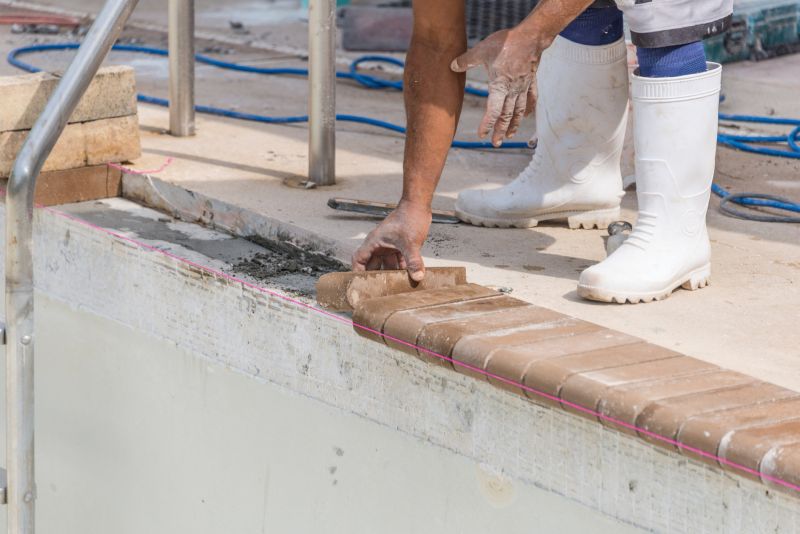
Understanding the common causes of damage in brick and stone flatwork can help property owners identify issues early and seek appropriate repair services. Everyday factors such as exposure to freeze-thaw cycles, heavy foot traffic, and improper installation can lead to cracks, uneven surfaces, or loose stones over time. Additionally, exposure to moisture, whether from poor drainage or accidental spills, can weaken the mortar joints and cause deterioration. Property owners in the area often look into repair options when they notice these signs, aiming to restore the integrity and appearance of their flatwork with assistance from local contractors experienced in handling these common issues.
Other frequent causes of damage include shifting ground or settling that creates uneven surfaces and stress on the flatwork materials. Tree roots nearby can also exert pressure, leading to cracks or lifting of the stones or bricks. Furthermore, neglecting routine maintenance or using harsh cleaning methods can accelerate wear and tear. When these problems arise, property owners typically seek out local service providers who specialize in brick and stone flatwork repairs. These professionals can assess the damage, identify underlying causes, and provide solutions to help extend the lifespan of the flatwork while maintaining its aesthetic appeal.
What are common causes of damage in brick and stone flatwork? Common causes include freeze-thaw cycles, which cause expansion and contraction, as well as improper installation or inadequate foundation support that can lead to cracking and shifting.
How does water infiltration damage brick and stone flatwork? Water can seep into cracks or porous surfaces, leading to erosion, freeze-thaw damage, and deterioration of the material over time, especially if drainage is poor.
Can heavy loads or foot traffic cause damage to brick and stone flatwork? Yes, excessive weight or frequent heavy foot traffic can cause surface cracking, loosening of stones or bricks, and structural instability if the flatwork is not designed to handle such stresses.
What role does vegetation and root growth play in damaging flatwork? Roots from nearby trees or plants can grow underneath or around flatwork, exerting pressure that causes cracking, uneven settling, or lifting of the surface materials.
How do environmental factors contribute to damage in brick and stone flatwork? Environmental factors like temperature fluctuations, moisture exposure, and soil movement can lead to expansion, contraction, and shifting, which may result in cracks and surface deterioration that local contractors can repair.
Poor Drainage - Ensuring proper drainage around flatwork helps prevent water from pooling and causing damage, making it easier for local contractors to address issues early.
Heavy Loads - Avoiding excessive weight on brick and stone surfaces can reduce cracking and shifting, with local service providers offering reinforcement solutions if needed.
Temperature Fluctuations - Protecting flatwork from extreme temperature changes minimizes expansion and contraction, and local pros can recommend appropriate repairs for damage caused by the elements.
Ground Movement - Monitoring soil stability can prevent shifting and cracking, allowing local contractors to perform stabilization and repair work to maintain flatwork integrity.
If you are thinking about common causes of damage in brick and stone flatwork for a property, this guide is meant to help you understand this topic, the typical project types, and how different options might fit your plans.
When you are ready, you can use the quote form on this page to share a few details about your project. From there, local pros can review the basics and follow up with options that match what you have in mind.